

Cognitive Behavioral Therapy (CBT) for Addiction in Georgia
Find Cognitive Behavioral Therapy (CBT) treatment for addiction in Georgia. CBT helps treat addiction by identifying triggers, changing harmful thought patterns, building coping skills, and preventing relapse through improved self-awareness and decision-making. Find CBT treatment centers in Georgia today!
Treatment Centers in Georgia







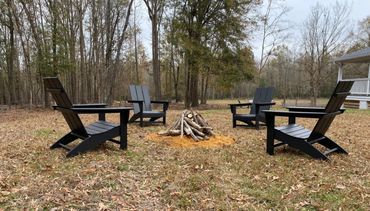


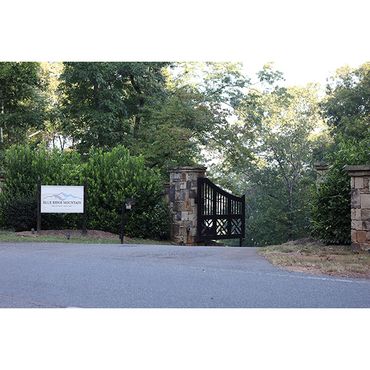




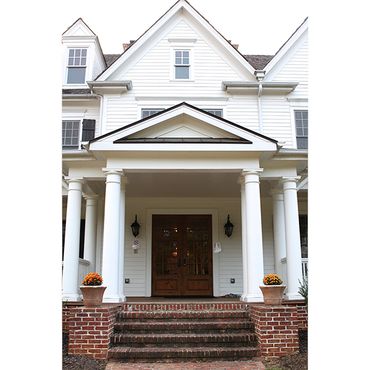



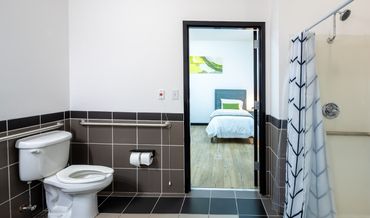


















Open to Travel? Check out Top-Rated Options

All Treatment Centers in Georgia
Are You Covered For Treatment?












- Atlanta Rehabs
- Marietta Rehabs
- Savannah Rehabs
- Decatur Rehabs
- Augusta Rehabs
- Statesboro Rehabs
- Lawrenceville Rehabs
- Athens Rehabs
- Macon Rehabs
- Cumming Rehabs
Rehab Insurance Coverage in Georgia
Rehab Centers in Georgia
Information About Rehab in Georgia
Latest Reviews
Latest Reviews of Rehabs in Georgia
Detox and Treatment Center
The treatment here is effective, they did however lose a bag containing my laptop, birth certificate, and a flash-drive containing digital forms of my ID and Social Security Card. An entire suitcase of clothes was also “missing” after my discharge.
Blue Ridge Mountain Recovery Center
I have been with Blue Ridge for 5 years as the operations director. It’s a great place to see people turn their life around for the better. I recommend anyone needing help to Blue Ridge. Staff here are dedicated to helping anyone in need.
About Georgia
Georgia is located in the southeastern region of the United States. With a population of over 10 million people1, Georgia is currently the 8th most populous states in the country. Known for its rich history and diverse geography, Georgia is home to a variety of landscapes, ranging from the mountains of the northern part of the state to the coastal plains in the south.
The state is also known for its vibrant culture, with a rich culinary scene, lively music, and a strong tradition of storytelling. Some of the most popular attractions in Georgia include the city of Atlanta, the historic Savannah district, and the picturesque beaches along the coast.
Addiction in Georgia
Georgia, like many states, has been affected by the opioid epidemic in recent years. According to the Georgia Department of Public Health, from 2012 to 2020, the total number of opioid-involved overdose deaths occurring in Georgia increased by 140%, from 554 deaths in 2012 to 1332 deaths in 2020.2 This significant increase was driven largely by increased use and misuse of prescription opioids and illicit opioids, such as heroin and fentanyl.2
Unfortunately, drug overdose fatalities in Georgia are only increasing. In 2021, 2,500 overdose deaths were reported, which is approximately 23.5 per every 100,000 individuals in the state.3
Addiction Treatment in Georgia
If you are looking for drug and alcohol rehab, there are many treatment centers that offer various levels of addiction treatment throughout Georgia, including detox, inpatient, and outpatient treatment.
- Detox: Detox involves helping you safely manage the withdrawal symptoms that can occur when you stop using drugs or alcohol.
- Inpatient treatment: Inpatient treatment involves a more intensive approach, where you reside at a treatment center for a period of time while receiving care and support.
- Outpatient Treatment: Outpatient treatment allows you to receive treatment while continuing to live at home and attend work or school.
Many addiction treatment programs in Georgia offer a range of therapies and specialized treatment programs, such as cognitive-behavioral therapy, family therapy, and group therapy. Some programs may also offer specialized care for specific populations, such as veterans, LGBTQ+ individuals, or women.
If you are seeking a more lavish treatment experience, there are also options for luxury rehab centers in Georgia. These facilities typically offer a range of amenities and services, such as private rooms, gourmet meals, and spa services.
Private funded rehab centers are also an option, though they may be more costly since they are funded through self-pay or private insurance.
To find addiction treatment options in Georgia, you can use our online search tool to locate nearby treatment centers and resources that fit your needs.
How Much Does Rehab Cost?
Insurance typically covers at least a portion of addiction treatment costs. If you have insurance, you can explore your coverage options and work with your insurance provider to find a treatment program that is covered under your plan.
If you do not have insurance, there are still options for addiction treatment in Georgia. Some treatment centers offer sliding scale fees or payment plans to help make treatment more affordable. Additionally, state-funded treatment centers are facilities that are supported by state government funds and are designed to provide addiction treatment services to those who are uninsured or unable to afford private treatment options.
In-Network Insurance Options
Length of Stay in Rehab
The length of stay in rehab varies depending on your treatment needs and the specific program you are enrolled in. However, the most common durations of treatment programs include 30-day, 60-day, and 90-day stays.
If you require more intensive or specialized care, long-term rehab may be a better option. Long-term rehab programs can last anywhere from 6 months to 2 years depending on your specific treatment requirements needs and the treatment program you are enrolled in.
Recovery Starts Today
Finding addiction treatment that is tailored to your individual needs is crucial for achieving lasting recovery. Fortunately, there are a variety of treatment options available in Georgia. By working with a treatment provider and exploring your options, you can find the treatment program that is right for you and gives you the best chance for lifelong recovery. Remember, seeking help for addiction is a courageous step, and with the right support and care, you can overcome addiction and lead a fulfilling life in recovery.
Sources:
- United States Census Bureau. July 1,2022. QuickFacts-Georgia.
- Georgia Department of Public Health. September 19, 2021. Opioid Overdose Surveillance-Georgia 2020.
- Centers for Disease Control and Prevention. 2021. Drug Overdose Mortality by State.