
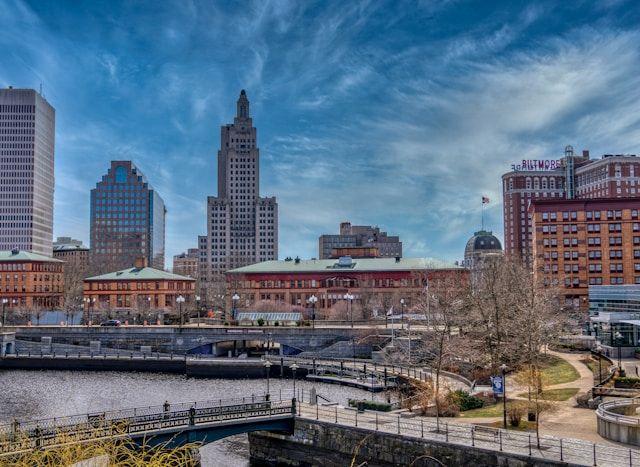
Drug & Alcohol Rehab Centers near Greenville, RI
Embarking on the journey to recovery from substance use disorder is a pivotal step, and in Greenville, Rhode Island, understanding the available treatment options and payment plans is crucial. Before taking the first step toward healing, individuals must be equipped with knowledge about the many treatment programs and payment options to ensure a smoother path to recovery.
Treatment Centers near Greenville, RI
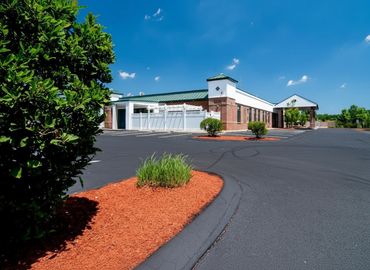
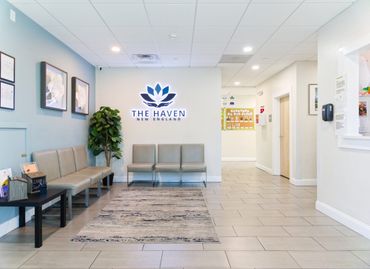


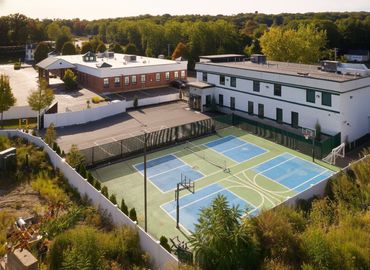











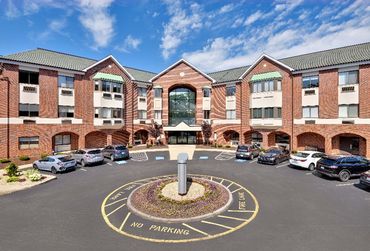
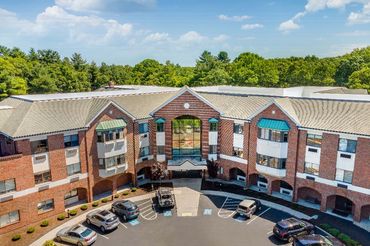
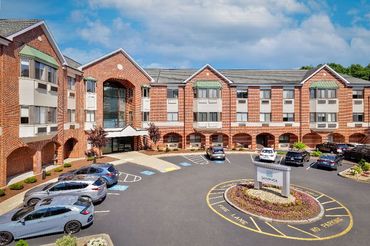
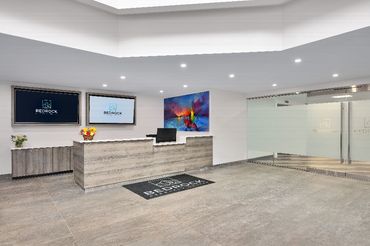


























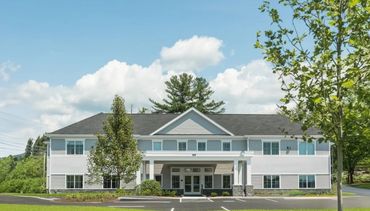
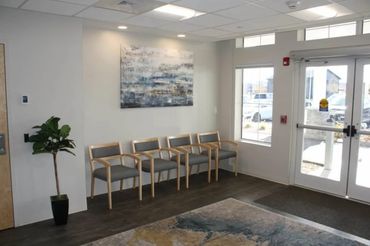


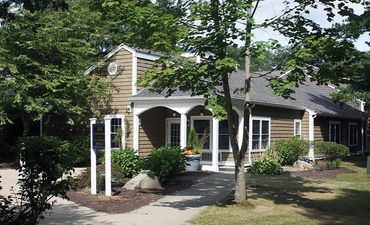
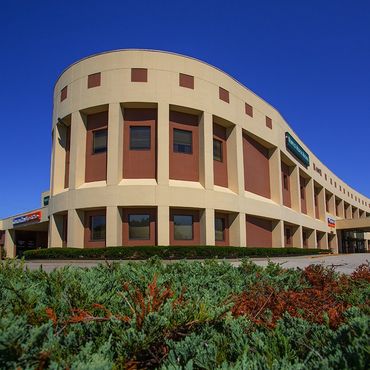


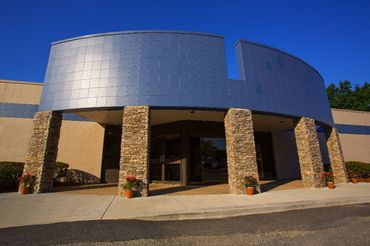



All Treatment Centers near Greenville, RI
Are You Covered For Treatment?












- Providence Rehabs
- Warwick Rehabs
- Pawtucket Rehabs
- Woonsocket Rehabs
- Cranston Rehabs
- Johnston Rehabs
- Middletown Rehabs
- Newport Rehabs
- North Kingstown Rehabs
- East Providence Rehabs
Information About Rehab in Greenville
Latest Reviews
Latest Reviews of Rehabs in Rhode Island
Teen Challenge Rhode Island
TCRI helped to bring my Grandson\'s Mom back to his life & back to him! Fantastic program!
AdCare Rhode Island
more food options and choices would be appreciated. My counselor was extremely helpful and took the time to listen and help me thank you
Area Information
Nestled in the scenic state of Rhode Island, Greenville exudes a charming blend of suburban tranquility and accessibility to urban amenities. With a modest population of about 9,0001, this community fosters a tight-knit environment, offering a serene backdrop for those seeking recovery. The picturesque landscape of Greenville, coupled with its proximity to essential services, creates an ideal place to live or visit.
Substance Misuse and Addiction in Greenville, Rhode Island
Substance misuse and addiction pose significant challenges, impacting not only Greenville but the entire state of Rhode Island. According to data from 2017 to 2019, the annual average prevalence of past-year substance use disorder in Rhode Island was 8.7%, affecting approximately 79,000 residents.2 This rate surpassed the national average of 7.4%.2 These statistics underscore the severity of the issue and emphasize the importance of addressing and combating substance misuse and addiction within the community and statewide.
Drug and Alcohol Rehab
Rehabilitation presents a spectrum of options and programs designed to address addiction and guide individuals through the recovery process. Understanding the diverse paths available is essential, as each person’s journey to sobriety is unique, and rehab programs are tailored to accommodate different stages of recovery.
What Happens in Drug and Alcohol Rehab?
Entering a rehab program involves navigating through various stages of treatment, including detox, inpatient care, outpatient programs, and aftercare. These multiple levels of care ensure that individuals receive the appropriate support aligned with their specific needs and progress in their recovery journey.
Detox Programs
The detoxification process is a critical initial phase in the journey towards recovery from substance use disorder. Medically monitored, detox programs provide a safe and supportive environment where individuals can undergo the challenging process of withdrawal. Withdrawal symptoms vary based on the type and severity of substance abuse, and as such, medications may be administered to alleviate discomfort. This phase is not only about physical stabilization but also serves as a foundation for the comprehensive treatment that follows, addressing the physiological aspects of addiction before delving into the broader psychological and behavioral components.
How Long Is Detox in Rehab?
The duration of detox is a nuanced aspect of this process, influenced by individual factors. While the general timeframe ranges from 3 to 7 days, variables such as the specific substance abused, the duration of use, and the individual’s overall health play crucial roles.
Inpatient Drug and Alcohol Rehab
Structured and supportive, inpatient treatment programs offer an intensive approach for individuals in search of recovery from substance abuse. These programs typically incorporate a blend of individual and group therapy sessions, placing a significant emphasis on uncovering and addressing the root causes of substance use. Group therapy, in particular, cultivates a sense of community and shared experiences among participants, fostering mutual support and accountability. In addition to tackling addiction, inpatient programs prioritize the treatment of co-occurring mental health disorders that may be intricately linked with substance abuse.
While the standard duration for inpatient programs is 30 days, the treatment period may extend to 60 or 90 days based on individual needs and progress. This extended timeframe allows for a more thorough and sustained approach to recovery, encompassing both the physical and psychological components of addiction.
Outpatient Drug and Alcohol Rehab
Providing a flexible avenue for recovery, outpatient treatment programs permit individuals to reside at home while participating in scheduled therapy sessions and support groups. These programs typically encompass individual counseling, group therapy, and educational sessions, aiming to address the diverse facets of addiction. Crucially, outpatient treatment places significant emphasis on tools for aftercare and relapse prevention, furnishing individuals with the necessary skills and strategies to navigate the daily challenges without succumbing to substance use. Geared towards those with a stable support system at home and individuals not necessitating the intensive structure of inpatient care, outpatient programs offer a versatile and tailored approach to rehabilitation.
How Much Does Rehab Cost?
While the idea of paying for rehab may seem daunting, it should not deter individuals from seeking help. Various options can alleviate the financial burden, ensuring that access to treatment remains attainable for those in need. Some of these options include:
- Payment Plans
- Government Grants and Scholarships
- Free Rehab
- State-Funded Rehab
Does Insurance Cover Drug and Alcohol Rehab?
Drug rehab insurance is instrumental in terms of the costs of rehabilitation. Fortunately, many insurance providers cover at least part of the overall cost. Widely accepted insurances include:
Finding The Best Rehab Center
Greenville, Rhode Island Drug and Alcohol Rehab Facilities
Our rehab locator tool assists individuals in finding nearby facilities, whether in Rhode Island or beyond. While staying in-state is an option, the tool helps individuals explore treatment options outside their immediate surroundings, reducing distractions and enhancing the likelihood of successful recovery.
Sources
- United States Census Bureau. Greenville, Rhode Island. July 1, 2022.
- Substance Abuse and Mental Health Services Administration. Behavioral Health Barometer: Rhode Island, Volume 6.