

Drug & Alcohol Rehab Centers near Burbank, CA
Although Burbank, California, is often treated as a suburb of Los Angeles, it is a unique city just to the north of the larger metropolitan area. Burbank has a population of nearly 105,000 people.1
With its proximity to Los Angeles, Burbank struggles with many of the same substance abuse issues as the larger area, particularly opioids. Between 2012 and 2014, 5% of Los Angeles County residents abused prescription painkillers for nonmedical reasons; this represents 393,692 people. Between 2011 and 2015, treatment admissions due to prescription opioids rose slightly, but heroin—a drug many people begin to abuse when they are denied prescription opioids or cannot afford them anymore—became a much more prevalent source of admissions into detox and rehabilitation.2
With 115 people dying from opioid overdoses in the U.S. every day, evidence-based treatment is crucial to saving lives.3 Greater access to naloxone, medication-assisted treatment (MAT) for opioid dependence, and comprehensive rehabilitation programs with counseling can help individuals recover from their addictions and aid communities in managing the collective opioid crisis.
Is someone you love struggling with prescription opioid abuse? Call us today to learn more about treatment options in your area and elsewhere.
[1]. Data.io: Burbank, CA.
[2]. National Drug Early Warning System (NDEWS). Los Angeles County Sentinel Community Site (SCS), Drug Use Patterns and Trends, 2016.
[3]. Centers for Disease Control and Prevention (CDC). Opioid Overdose: Understanding the Epidemic
Treatment Centers near Burbank, CA














































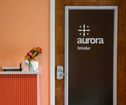







All Treatment Centers near Burbank, CA
Are You Covered For Treatment?













- Los Angeles Rehabs
- San Diego Rehabs
- Malibu Rehabs
- Costa Mesa Rehabs
- Fresno Rehabs
- Long Beach Rehabs
- San Juan Capistrano Rehabs
- Sacramento Rehabs
- San Francisco Rehabs
- Huntington Beach Rehabs
Information About Rehab in Burbank
Latest Reviews
Latest Reviews of Rehabs in California
Hollywood Hills Recovery
Hollywood Hills Recovery is one of the most supportive and encouraging recovery centers! They really do make you feel like family and guide you through a recovery process tailored to you. Highly recommend!
Prototypes Women's Center
I was here in 1994. Came in August lost and exhausted and exited made whole and with my brand new baby girl! Highly recommend this facility.