
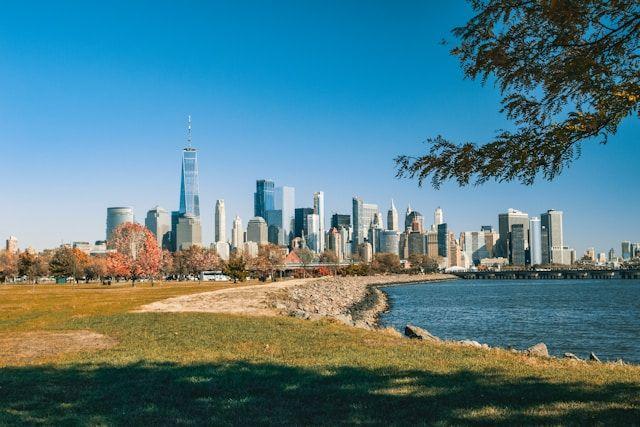
Drug & Alcohol Rehab Centers near Lodi, NJ
In Lodi, New Jersey, as in many other places in the U.S., relapse is a possible and common part of addiction recovery. Some experts compare drug and alcohol relapse to relapse occurrences of other chronic diseases, such as asthma or hypertension—noting that just because a behavior has reoccurred, it doesn’t mean that treatment failed. Relapse is merely a bump in the road. You don’t have to let a relapse lead you back into a cycle of substance abuse.
A significant portion of the people in Lodi who enter rehab do so because of alcohol, and some of those admissions may be due to relapse. In Lodi, 29% of residential treatment admissions list alcohol as the primary substance of abuse.1 It’s likely that 40% to 60% of these people experience relapse after treatment.2
Most treatment support professionals know that relapse usually indicates a need to adjust or modify treatment to be more fitting to the person seeking recovery.2
In an effort to help those recovering from addiction avoid alcohol relapse, the U.S. Food and Drug Administration has approved several medicines that can help people maintain abstinence. These include:3
- Naltrexone
- Acamprosate
- Disulfiram
Admitting that you need help can be difficult, but enrolling in a rehab is the best choice you can make for your health. Maintaining sobriety after treatment can also be hard. Medication support is available to help with relapse. The first step is locating a Lodi treatment facility, a treatment center in neighboring cities, or one in other locations in the U.S. Browse our treatment directory to find the right place for you.
Sources:
- Department of Human Services, Division of Mental Health and Addiction Services Office of Planning, Research, Evaluation and Prevention. (2017). New Jersey Drug and Alcohol Abuse Treatment, Substance Abuse Overview 2016, Bergen County.
- National Institute on Drug Abuse (2014). Drugs, Brains, and Behavior: The Science of Addiction.
- National Institute on Drug Abuse (2018). Treatment Approaches for Drug Addiction.
Treatment Centers near Lodi, NJ
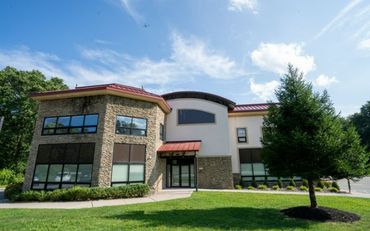


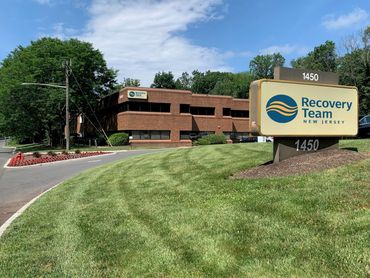


















All Treatment Centers near Lodi, NJ
Are You Covered For Treatment?









- Newark Rehabs
- Cherry Hill Rehabs
- Toms River Rehabs
- Trenton Rehabs
- New Brunswick Rehabs
- Flemington Rehabs
- Paterson Rehabs
- Morristown Rehabs
- Camden Rehabs
- Paramus Rehabs
Information About Rehab in Lodi
Latest Reviews
Latest Reviews of Rehabs in New Jersey
SOBA New Jersey
The facility is excellent. My family member received great care, and the staff played a big part in helping them recover and succeed.
Enlightened Recovery Detox
This program is phenomenal!! I feel like I finally have the knowledge and tools to be successful in my continued sobriety. I thank God every day for guiding me out of the terrible darkness Into the light. I have hope for the first time in years.
Discovery Institute
This center helped save my life. They are a bare bones facility that cares for the individual. They have certainly changed the old school treatment plan they used to have. They work with the individual more than ever. I attended when it was a therapeutic community and again after they integrated a better individual approach and they helped me stay clean and sober.