

Rehabs That Take Medicare Insurance in Oklahoma
Medicare Insurance can help cover the cost of drug and alcohol rehab for those looking for addiction treatment in Oklahoma state. Explore rehabs that take Medicare in Oklahoma today.
Open to Travel? Check out Top-Rated Options
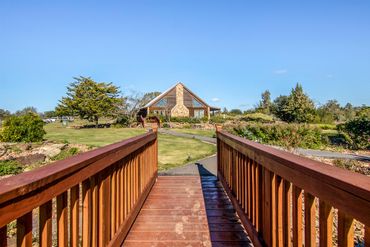
All Treatment Centers in Oklahoma
Are You Covered For Treatment?











- Oklahoma City Rehabs
- Tulsa Rehabs
- Muskogee Rehabs
- McAlester Rehabs
- Grove Rehabs
- Ponca City Rehabs
- Stillwater Rehabs
- Norman Rehabs
- Pawhuska Rehabs
- Woodward Rehabs
Rehab Insurance Coverage in Oklahoma
Rehab Centers in Oklahoma
Information About Rehab in Oklahoma
Latest Reviews
Latest Reviews of Rehabs in Oklahoma
Hefner Comprehensive Treatment Center
PROFESSIONAL WIZARD RECOVERY HACKERS. Their expertise and commitment to their clients are unmatched, and I feel fortunate to have had them on my side during a difficult time. Telegram: https://t.me/professionalwizardcryptohackers Don't let cybercrime
Clay Crossing
I chose Clay Crossing for my husband and it was a great choice. We were close to divorcing if he didn't get help. He didn't want to go but after the first week he was glad he did. The counselors are great and the family counseling they offer helped us so much. The staff was always so nice and helpful whenever I called or came for a visit. My husband now understands better why he became an addict and how to cope with it. I'd recommend Clay Crossing to anyone who really wants to change their life.
Red Rock Behavioral Health Services - Jordan's Crossing
Strengths: A few exceptional counselors...no longer work there! Weaknesses:No exercise/yoga/meditation Participants allowed to do whatever with notation Disciplined by visit removal 12 step meetings are self directed therefore focusing more on problem rather than solution You get out of it What you put into it. I think less is more. Too many participants, too many children coming on day 1 with Mom. Now DMH has it turned into a 6-9 month long cattle shute! I liked it better before when DMH allowed counselors to be healers and listeners rather than typists and disciplinarians
What is Medicare Insurance?
Medicare is a federal health insurance program primarily for people aged 65 and older, as well as certain younger individuals with disabilities or specific health conditions. It covers hospital care, medical services, and prescription drug coverage through Parts A, B, C, and D.
Does Medicare Cover Rehab in Oklahoma?
Medicare in Oklahoma can help cover addiction treatment services when medically necessary. This may include inpatient detox in a hospital, outpatient counseling, partial hospitalization programs, and medication assisted treatment approved by Medicare. Coverage depends on the type of Medicare plan and medical necessity.
Is Prior Authorization Required for Rehab in Oklahoma?
Some Medicare Advantage (Part C) plans may require prior authorization for inpatient or residential rehab services. Traditional Medicare usually does not require prior authorization, but coverage is subject to medical necessity guidelines.
Medicare Insurance Eligibility Requirements
Eligibility for Medicare is based primarily on age and disability. Most people qualify at age 65 or older. Younger individuals may qualify if they have received Social Security Disability Insurance (SSDI) for 24 months, or have End-Stage Renal Disease (ESRD) or Amyotrophic Lateral Sclerosis (ALS).