


Rehabs.com Logo
Featured Facility

Windmill Wellness Ranch

26229 N. Cranes Mill Rd., Canyon Lake, Texas, 78133
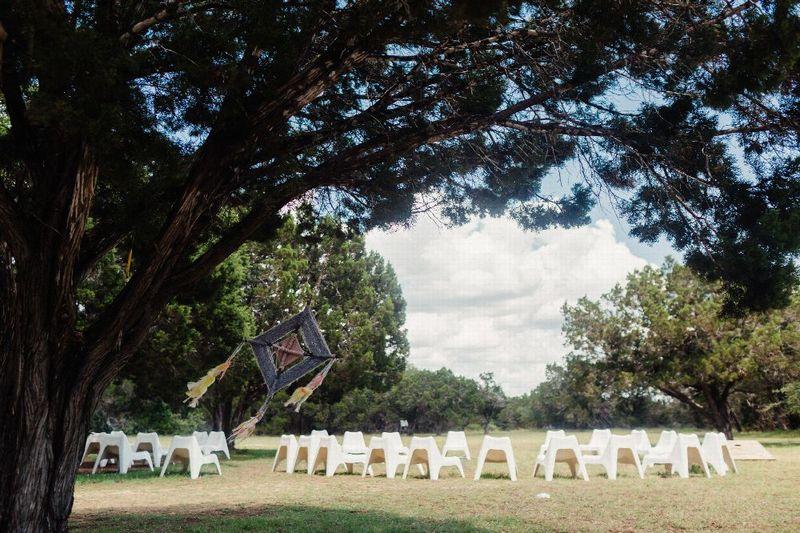
Facility Photo

About Windmill Wellness Ranch

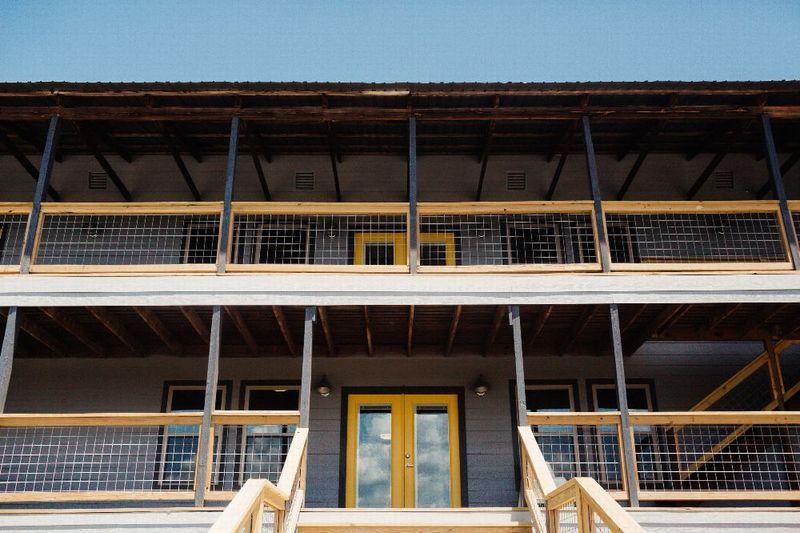
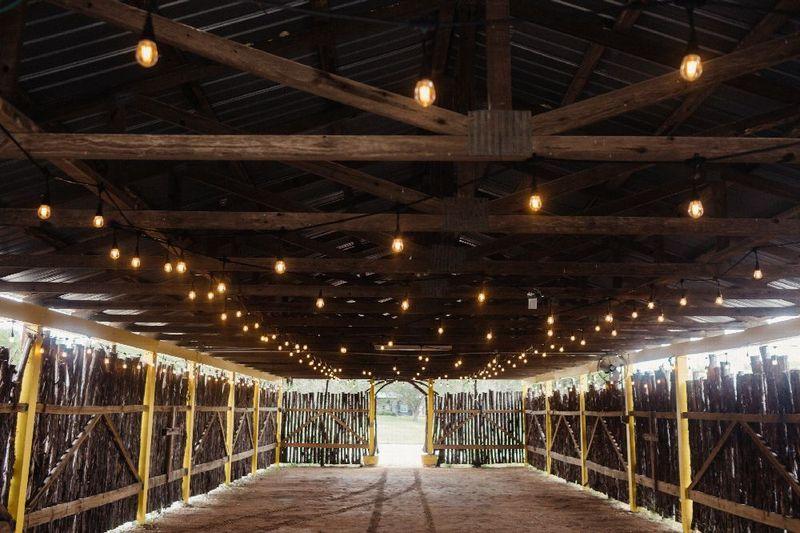
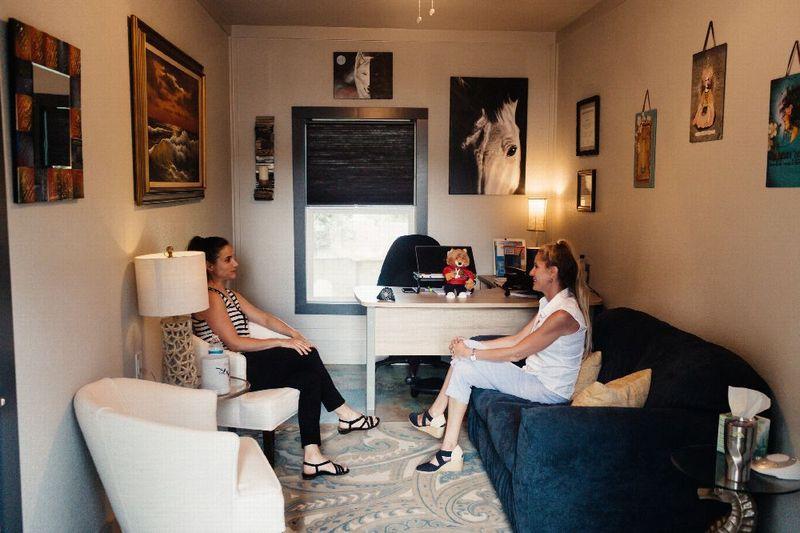
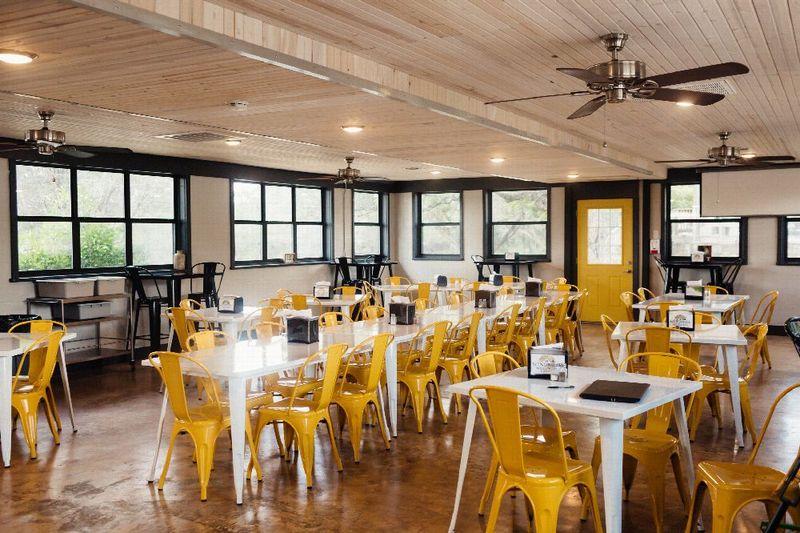
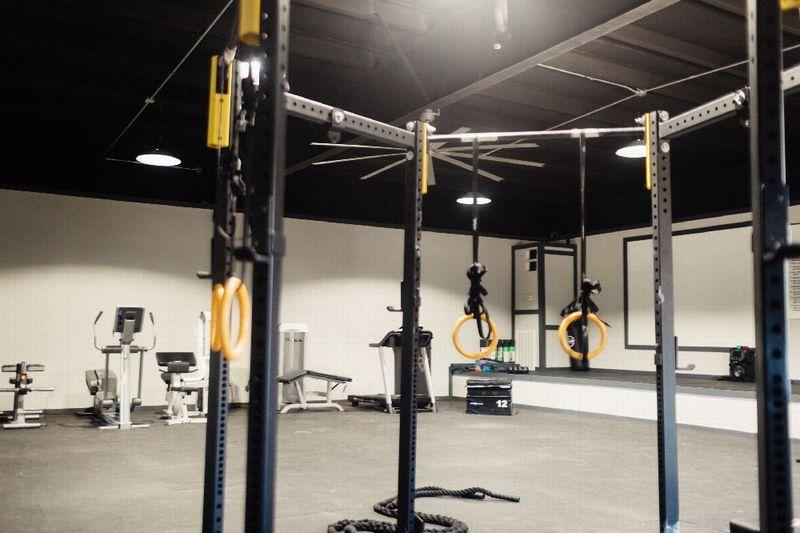
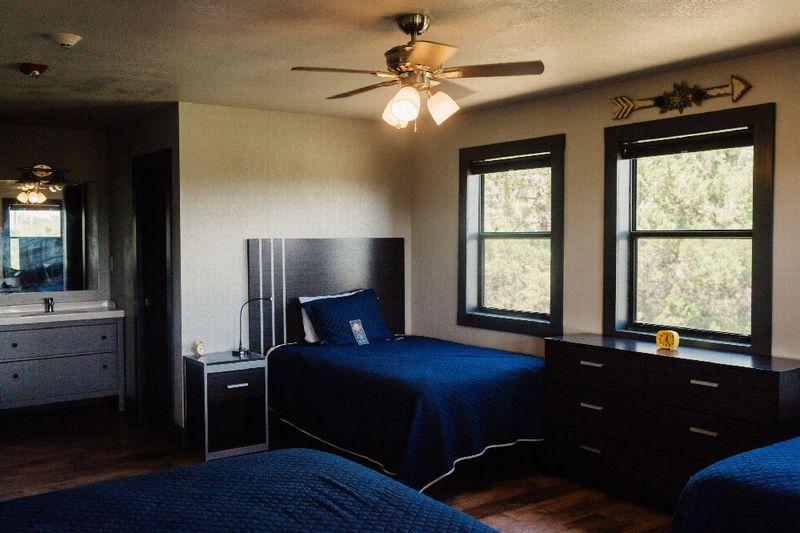
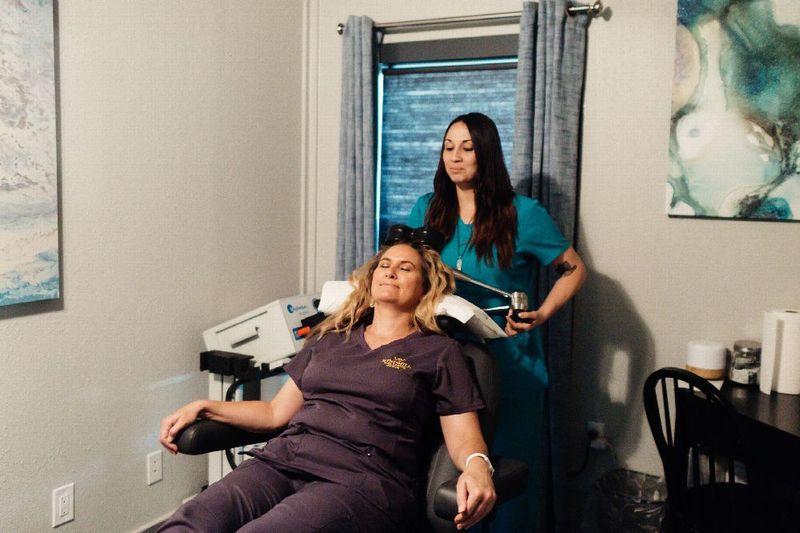
Each person comes to us with a different set of wounds and circumstances. Windmill Wellness Ranch works to heal the entire individual, not just the addiction or behavior. We treat underlying issues, such as trauma, depression, anxiety, and other mental health or neurocognitive issues. We treat the physical, mental, emotional, spiritual and relational health of the individual and family. We help you discover your authentic, whole self and bring your entire person into balance. Many of those that seek our help are “stuck”. They can’t imagine getting better, but at Windmill Wellness Ranch, we help them find their joy. Our program is unlike any other. It is clinician owned and was designed by the most talented and experienced doctors, psychiatrists, clinicians and nurses in the field. In order to make long-term recovery certain, clinical components must be part of the recovery process. These components include: 1. Master’s Level Clinicians - Why? Without a Master’s Level Clinical License, you cannot diagnosis or treat any underlying disorders. WWR has clinicians that are specialized in various disorders and trauma resolution. 2. Psychiatry is available daily to our clients 3. Genetic Testing - Most of those that seek our services have been given many medications to help with depression or anxiety. Most of the time the medications do not work, or stop working, and many report they feel like a “guinea pig”. WWR is conservative with medications, however if medication is needed genetic testing takes the guess work out of psychiatry and our psychiatrists know which medications will work with your metabolism. 4. EMDR - This is a rapid form of therapy that heals trauma. When trauma occurs, the body releases chemicals such as adrenaline. Trauma does not need to be a tragic event, it can be a childhood divorce or something that happened on the playground. EMDR resolves the trauma that grows as we age into depression, anxiety or both. 5. Having a compassionate environment and staff that understands that they are part of your healing process. Windmill Wellness Ranch is in a non-institutional home/ranch setting. This may sound silly, but a comfortable full mattress and well-appointed rooms make sleep better, which make healing and therapy better. 6. We empower clients to find activities which bring them purpose and well-being in recovery. We recognize that they need to fill the void left in the absence of substances with meaningful roles and occupation. This helps them regain their sense of purpose and direction. 7. PeakLogic PrTMS treatment – Treating the brain. Let’s face it, damage has been done to the brain as a result of use or trauma, and is sometimes organic. We can see and treat the brain with PeakLogic PrTMS. Each Client will receive an EEG upon admission. 8. Each client has a comprehensive assessment by a Master’s Level Clinician, which is paired with a medical and psychiatric provider that follows each client through their entire stay into aftercare. This process allows each clinical team following the client to build a treatment plan that encompasses all 6 dimensions of an individual. Each client is also assessed medically with a wellness panel to rule out any health conditions. 9. We truly offer “individualized care” and “Co-Occurring disorder treatment” 10. If you have anxiety or depression a medication is not just prescribed, we review the assessments and work with the client to determine where the anxiety and depression may have originated and if there was an event we work through that therapeutically. We don’t simply give you a pill and hope it works. 11. Medical/ Psychiatry and Master’s Level Clinical Team for each Client

Facility Location

Facility Offering

Treatment

Services Offered

Sober Living Home
Outpatient Services
Dual-Diagnosis Treatment
Residential Treatment
Detox Services
Behavioral Disorder Treatment
Inpatient
Hospital inpatient
Outpatient
Residential
Hospital inpatient detoxification
Hospital inpatient treatment
Outpatient day treatment or partial hospitalization
Intensive outpatient treatment
Regular outpatient treatment
Residential detoxification
Long-term residential
Short-term residential

Treatment Types

Anxiety Disorder
Bipolar Disorder Treatment
Depressive Disorders
Eating Disorder Treatment
Gambling Addiction Treatment
Gaming Addiction Treatment
Internet Addiction Treatment
Shopping Addiction Treatment
Substance Abuse Treatment
Post-Traumatic Stress Disorder (PTSD)
Experience

Accommodations

Pet Friendly
Smoking Permitted
Gourmet/Chef-Prepared Meals
Computer/Phone/Internet Access

Recreation and Therapy

Gym
Exercise Classes
Yoga
Meditation
Outdoor Training (Running, Hiking, Cycling)
Art Therapy

Environmental Setting

Wilderness
Private/Secluded
Who We Treat

Age Ranges

Adult Age
Senior/Elderly

Gender Restrictions

No Gender Restrictions
Insurance Accepted

Insurance Accepted

Highmark
Humana
TRICARE
Anthem BCBS
Cigna
Aetna
UnitedHealthcare
Blue Cross and Blue Shield
Private Insurance

Accreditations, Licenses & Awards

Joint Commission Logo
Joint Commission

Learn More About Windmill Wellness Ranch

Facility Highlights
  • 52-bed facility
  • 4:1 staff to client ratio
  • Executive Chefs
  • Personalized trainer
  • Weekend Outings
  • rTMS Therapy at Brain Frequency Center
  • Trauma, Grief & Resolution Therapy
Areas of Specialization
  • Client & Family Support Groups
    Group therapy is a vital component of addiction recovery treatment, considered as important and effective (sometimes even more so) than individual therapy. Benefits include reducing isolation and loneliness and providing the opportunity to learn from others in recovery. In the addiction setting, group therapy is run by trained professionals who guide participants toward a shared goal of recovery.
  • Family Program
    Research shows that the odds of successful, sustained recovery from addiction are far higher when family members and loved ones are involved in treatment. Drug and alcohol addiction often have genetic roots, whether related to substance abuse, mental illness or both. Family dynamics also play a role and, often, family members are the first to realize a loved one has developed an addiction. Also, it’s important for family members to understand and embrace the lifestyle changes that are required to sustain recovery.
  • Medical Detoxification
    Drugs and alcohol have widespread effects throughout your body, including but not limited to the addiction and/or physical/psychological dependence that develops with substance abuse over time. Many organ systems are affected by addiction and will react to withdrawal. The term “medical detoxification” means that there is a trained and licensed medical professional onsite to monitor your vital signs and protect your physical and emotional health as your body goes through withdrawal.
  • Detox
    Though not all rehab facilities offer “medical detoxification,” all people with an addiction to drugs or alcohol will experience intense physical and emotional changes and discomfort as their bodies react to withdrawal of the addictive substance. Many people use the term “detox” to refer to the period of time (ranging from a few days to a week) when the body is reacting to an addict’s decision to stop using.
  • Dual Diagnosis/Co-Occurring Disorders Treatment
    These two terms describe a person who is not only addicted to drugs or alcohol, but also has a mental or emotional illness, such as depression, anxiety, bipolar disorder, etc. Facilities that treat patients with dual-diagnosis or co-occurring disorders provide psychiatric treatment in addition to drug and alcohol rehabilitation services.
  • Individualized Treatment
    Some facilities have an addiction treatment protocol that all patients or clients are expected to follow, while others customize or individualize treatment based on a person’s unique needs and circumstances. Factors that may affect treatment decisions include age, lifestyle, medical conditions, type of drug, religious beliefs, etc.
  • Process Abuse Treatment
    Not all addictions involve mood-altering chemicals. The term “process addiction” describes the unhealthy use of behaviors (including eating, gambling, sexual activity, shopping, internet use, etc.) that has spiraled out of control and into the realm of addiction.
  • Individual Therapy
    This term describes one-on-one therapy, in which a patient and trained counselor, social worker, psychologist or psychiatrist meets privately with a patient to discuss challenges related to lifestyle, work, family and romantic relationships that may have contributed to the development of an addiction.
  • Aftercare Support
    Addiction recovery does not end with discharge after completing a rehab program. Facilities that offer aftercare planning and/or support work with patients to ensure sustainable recovery by helping to plan and make arrangements for transitional or sober living, help with housing, vocational counseling, etc.
  • Creative Arts Therapy
    Writing, making art or engaging in theater can be deeply therapeutic for people working to recover from addiction. Many facilities offer one or several forms of creative arts therapy as a way to help patients learn to express their feelings in productive ways.
  • Holistic Therapy
    Facilities that offer “holistic therapy” see and treat patients in the context of their entire lives and health status. They treat the “whole person,” not just the addiction.
  • Cognitive Behavioral Therapy (CBT)
    The focus of cognitive behavioral therapy (also called CBT) is helping people to understand the thoughts and emotions that underlie their addiction with the goal of learning new, healthier and more productive ways to understand and express themselves.
  • Eye Movement Desensitization and Reprocessing (EMDR)
    EMDR is a highly specific, research-validated form of therapy that can help people overcome traumatic stress, anxiety and depression. With EMDR, a trained practitioner uses bilateral stimulation, eye movement and touch to stimulate parts of the brain as a patient recounts certain experiences and memories as a way to more thoroughly process uncomfortable, painful feelings.
  • Trauma & Associative Awareness Therapy (AAT)
    Associative Awareness Therapy (AAT) uses the brain’s innate ability to adapt to change in a healing way, essentially “retraining” the brain to respond differently to familiar memories of trauma or pain.
  • 12-Step
    The term “12 Step Program” describes a way to recover from addiction that is based on the model developed by Alcoholics Anonymous. Many drug and alcohol treatment centers base their treatment on 12 steps – the first three of which are situational, the next four addressing the practical issues created by the addiction, followed by two steps focused on making amends for hurting others. Steps 10 and 11 involve a deeper examination of the previous steps and the final step is focused on helping others avoid and recover from addiction.
  • Intensive Outpatient
    Patients who undergo intensive outpatient treatment continue to live at home and sometimes go to school or work while participating in a highly structured treatment protocol that is focused on ending substance abuse. Programs vary in terms of how much treatment patients receive, how often and for how long. Some facilities design individualized intensive outpatient treatment programs.
  • Outpatient
    Outpatient treatment describes all addiction treatment that is not residential. Patients live at home while undergoing rehab.
  • Residential Treatment
    Residential treatment programs provide housing (food and meals) in addition to treatment for substance abuse. Some facilities offer only short-term residential treatment, some offer only long-term treatment and others offer both, ranging from a few days to many months, based on patient needs.
Treatment Center Links

Treatment Center Details

Service Settings
Treatment Approaches
Payment Accepted
Special Programs
License/Certification
Hospital inpatient
Outpatient
Residential
Hospital inpatient detoxification
Hospital inpatient treatment
Outpatient day treatment or partial hospitalization
Intensive outpatient treatment
Regular outpatient treatment
Residential detoxification
Long-term residential
Short-term residential
Anger management
Cognitive behavioral therapy
Contingency management/motivational incentives
Motivational interviewing
Matrix Model
Relapse prevention
Substance use counseling approach
Trauma-related counseling
12-step facilitation
Private health insurance
Cash or self-payment
Transitional age young adults
Adult women
Pregnant/postpartum women
Adult men
Seniors or older adults
Lesbian, gay, bisexual, or transgender (LGBT) clients
Veterans
Active duty military
Members of military families
Criminal justice (other than DUI/DWI)/Forensic clients
Clients with co-occurring mental and substance use disorders
Clients with co-occurring pain and substance use disorders
Clients with HIV or AIDS
Clients who have experienced sexual abuse
Clients who have experienced domestic violence
Clients who have experienced trauma
State department of health
The Joint Commission
Service Settings
Hospital inpatient
Outpatient
Residential
Hospital inpatient detoxification
Hospital inpatient treatment
Outpatient day treatment or partial hospitalization
Intensive outpatient treatment
Regular outpatient treatment
Residential detoxification
Long-term residential
Short-term residential
Treatment Approaches
Anger management
Cognitive behavioral therapy
Contingency management/motivational incentives
Motivational interviewing
Matrix Model
Relapse prevention
Substance use counseling approach
Trauma-related counseling
12-step facilitation
Payment Accepted
Private health insurance
Cash or self-payment
Special Programs
Transitional age young adults
Adult women
Pregnant/postpartum women
Adult men
Seniors or older adults
Lesbian, gay, bisexual, or transgender (LGBT) clients
Veterans
Active duty military
Members of military families
Criminal justice (other than DUI/DWI)/Forensic clients
Clients with co-occurring mental and substance use disorders
Clients with co-occurring pain and substance use disorders
Clients with HIV or AIDS
Clients who have experienced sexual abuse
Clients who have experienced domestic violence
Clients who have experienced trauma
License/Certification
State department of health
The Joint Commission
Type Of Care
Opioid Medications Used In Treatment
External Opioid Medications Source
Type Of Alcohol Use Disorder Treatment
External Source Of Medications Used For Alcohol Use Disorder Treatment
Type Of Opioid Treatment
Pharmacotherapies
  • Show All
Facility Operation
Assessment/Pre Treatment
  • Show All
Testing
  • Show All
Transitional Services
Recovery Support Services
  • Show All
Other Services
Detoxification (medical Withdrawal) Services
  • Show All
Education And Counseling Services
  • Show All
Medical Services
Facility Smoking Policy
Age Groups Accepted
Gender Accepted
Facility Vaping Policy
Ancillary Services
  • Show All
Show More Treatment Center Details

Patient Reviews

Overall Rating
4.6
(34 reviews)
5
4
3
2
1
  • Accommodations & Amenities
    4.6
  • Treatment Effectiveness
    4.6
  • Meals & Nutrition
    4.6
3.3
L.R.
Accommodations & Amenities
Treatment Effectiveness
Meals & Nutrition
I arrived at the WWR back in the fall of 2017, and have not returned to treatment (4/19/2020).
Elizabeth V-L
Short: If you truly want a new life, go to WWR. I have struggled with mental health and suffered from addiction for 13 years. I have been a psychiatric patient at every hospital in Austin, Georgetown, and Round Rock-as well as going out of state for residential trauma treatment.. And though they helped some, nowhere has changed my life to the core of my being like Windmill Wellness Ranch. First and foremost, the owner and her husband, ans their family, are personally invested in the 'business of saving lives'- and it truly shows every day. To start, it is on a beautiful property in the hill country that has an aura of healing and love I that the only thing that ever came close was the native american land in New Mexico. Secondly, the staff here are second to none-and I can say that with experience. Every single person; therapists, counselors, recovery coaches, technicians, kitchen crew, clinical team, nursing staff, are all empathetic as fuck. Excuse my enthusiasm. But anytime I was having a hard time, I could pull literally anybody aside and be heard, understood, and cared for. Most of the staff here are in recovery themselves, so they actually get it. I was paired with a therapist that worked with me to come up with a treatment plan that perfectly met my individual needs, and was given a personal recovery coach to help with anything that came up also. Additionally, the treatment modalities that are offered are, again, second to none (sorry not sorry if that seems cliche) ;) ITMS, though at first was alien to me, genuinely changed the functionality of my brain to it's ideal state (that i never thought was possible)- so that I could fully embrace the teachings and find a new way of acting. The individual EMDR and complex trauma group, amongst others, and daily processing groups went to a depth I never could have imagined. The 12 step and smart recovery groups have educational opportunities beyond anything else. Also, the programming schedule here were the greatest ever-balancing in depth study with socialization time, off campus outings and in house recovery meetings. They also have weekly family visitation, along with weekly family therapy that educates and involves the family-and helped us to heal for future generations to come. You can (and I do) attend family therapy for the rest of your life after discharge- FOR FREE. PLUS a monthly music jam session and drum circle that was SO.MUCH.FUN!! Also, an amazing DAA meeting open to alumni also. They also have clean living on campus, and thw recovery coaches will help you find a job to get back on your feet. Did I mention they have their own chef who makes 3 BOMB meals every single day?! Gonna be in on a holiday? No worries, I was there for Thanksgiving, Christmas, New Years, and my sons and my birthdays. Best holidays and birthdays Ive ever had. Real talk. You get a detox buddy when you come in, a client who will show you the ropes and be your first friend. But no bullshit, everyone was my friend. The love and community at Windmill was life changing. Everyone pays it forward, because thats how its always been and always will be. But all good stuff aside, shit does hit the fan sometimes- clients;going through withdrawal, trauma therapy, or challenging lifetime beliefs and behaviors-get emotional. They are changing their entire being. But clients truly care for one another and are there to offer support, as well as staff taking time to help them through it. Nobody gets ignored, guilted, or overmedicated. All in all, I could go on for dayssss. From the yoga and gym time, to leaving your mark by painting a rock- WWR is on point. If any of this sounds interesting to you or for someone you know, I emplore you to give them a call. From the first call, I could tell a difference. I urge you to know that you are worth it, you can heal, we do recover, and there's hope for ANYone! Even myself, who has overdosed on every drug, has multiple complex traumas, multiple personalities, you name it! Today, I have a peace of mind I never ever EVER thought possible- no matter what!
5.0
G.C.
Accommodations & Amenities
Treatment Effectiveness
Meals & Nutrition
A truly comptehensive facility. Wonderful staff. Saved my life.
4.7
J.B.
Accommodations & Amenities
Treatment Effectiveness
Meals & Nutrition
Excelent facility
5.0
B.B.
Accommodations & Amenities
Treatment Effectiveness
Meals & Nutrition
I was treated like a human here and I’m so grateful for my stay. I tried many other treatment centers in Texas, but none of them came close to my experience at WWR. The staff is phenomenal, and many of them are in recovery as well so I was understood on a personal level. The food was great, the groups were very educational, the amenities (gym, pool, trails, all the way down to the bed I slept in) are top class, and the therapy (which is definitely individualized) was life changing. WWR gave me the tools that I needed to succeed outside of the treatment center. I went in there hopeless and ready to die, but left with purpose and inner peace. WWR is incredible!!!
You've added 0 of 3 facilities.
See your comparisons.