Partial Hospitalization Program (PHP)
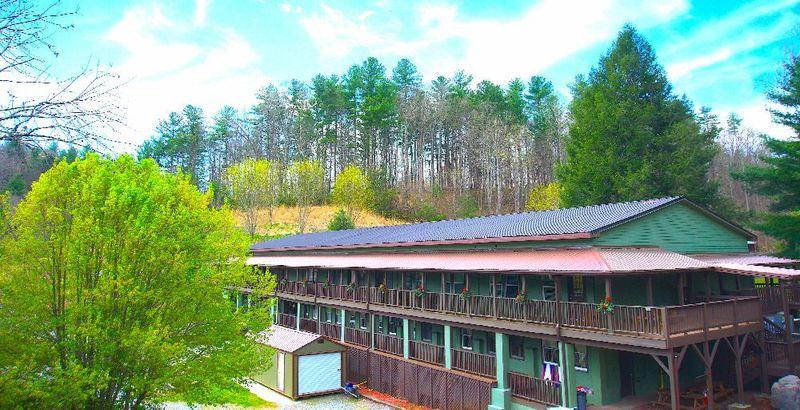
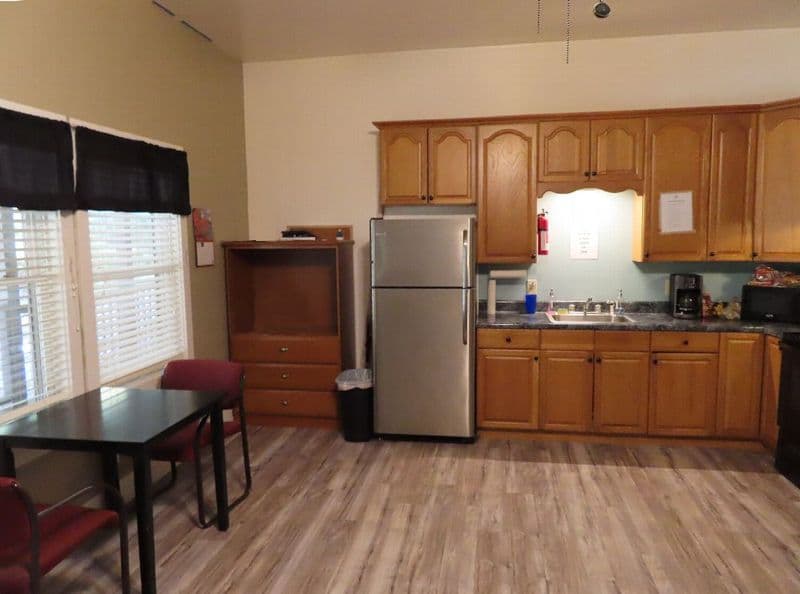
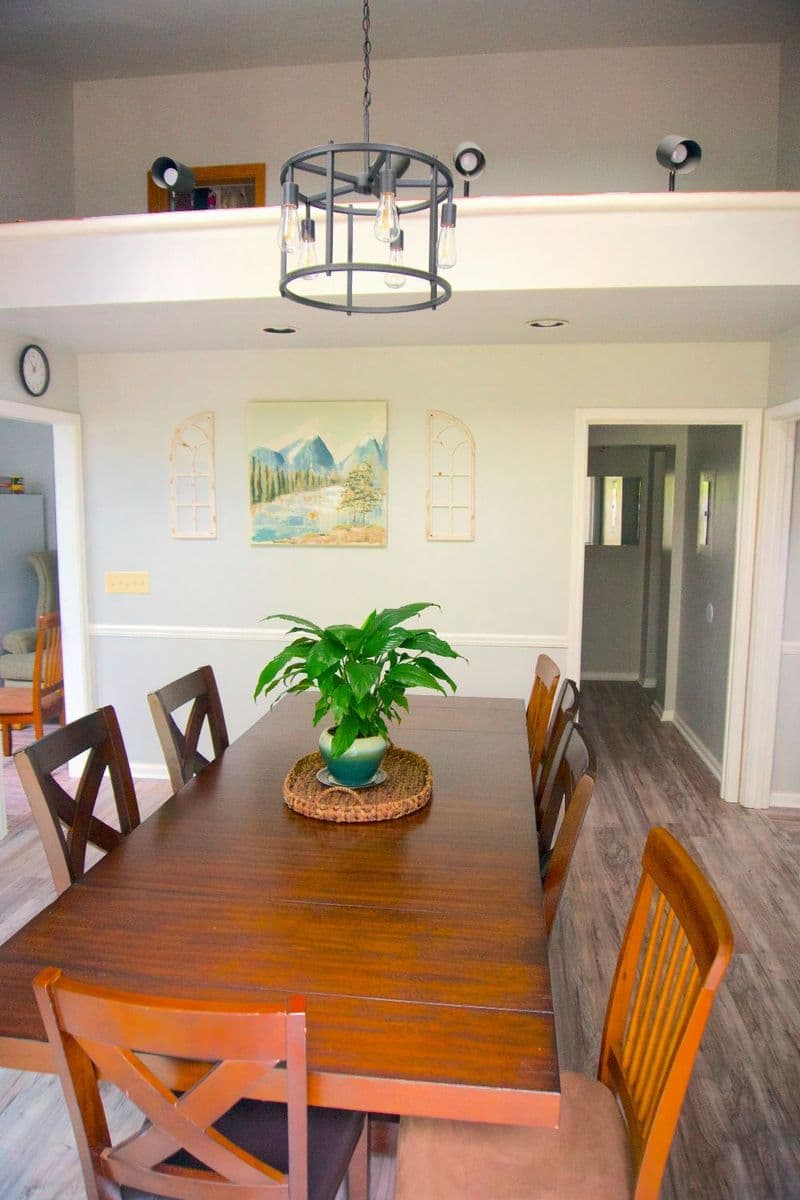
Partial Hospitalization Programs with optional housing provide housing along with food and meals in addition to treatment for substance abuse. Some facilities offer only short-term PHP treatment, some offer only long-term treatment and others offer both, ranging from a few days to many months, based on patient needs. Asheville Recovery Center's standard length of stay is 30 days, though we always remain flexible to our client's needs.
Intensive Outpatient
Patients who undergo intensive outpatient treatment continue to live at home and sometimes go to school or work while participating in a highly structured treatment protocol that is focused on ending substance abuse. Programs vary in terms of how much treatment patients receive, how often and for how long. Some facilities design individualized intensive outpatient treatment programs.
12-Step
The term “12 Step Program” describes a way to recover from addiction that is based on the model developed by Alcoholics Anonymous. Many drug and alcohol treatment centers base their treatment on 12 steps – the first three of which are situational, the next four addressing the practical issues created by the addiction, followed by two steps focused on making amends for hurting others. Steps 10 and 11 involve a deeper examination of the previous steps and the final step is focused on helping others avoid and recover from addiction.
Cognitive Behavioral Therapy (CBT)
The focus of cognitive behavioral therapy (also called CBT) is helping people to understand the thoughts and emotions that underlie their addiction with the goal of learning new, healthier and more productive ways to understand and express themselves.
Holistic Therapy
Facilities that offer “holistic therapy” see and treat patients in the context of their entire lives and health status. They treat the “whole person,” not just the addiction.
Creative Arts Therapy
Writing, making art or engaging in theater can be deeply therapeutic for people working to recover from addiction. Many facilities offer one or several forms of creative arts therapy as a way to help patients learn to express their feelings in productive ways.
Aftercare Support
Addiction recovery does not end with discharge after completing a rehab program. Facilities that offer aftercare planning and/or support work with patients to ensure sustainable recovery by helping to plan and make arrangements for transitional or sober living, help with housing, vocational counseling, etc.
Individual Therapy
This term describes one-on-one therapy, in which a patient and trained counselor, social worker, psychologist or psychiatrist meets privately with a patient to discuss challenges related to lifestyle, work, family and romantic relationships that may have contributed to the development of an addiction.
Process Abuse Treatment
Not all addictions involve mood-altering chemicals. The term “process addiction” describes the unhealthy use of behaviors (including eating, gambling, sexual activity, shopping, internet use, etc.) that has spiraled out of control and into the realm of addiction.
Individualized Treatment
Some facilities have an addiction treatment protocol that all patients or clients are expected to follow, while others customize or individualize treatment based on a person’s unique needs and circumstances. Factors that may affect treatment decisions include age, lifestyle, medical conditions, type of drug, religious beliefs, etc.
Dual Diagnosis/Co-Occurring Disorders Treatment
These two terms describe a person who is not only addicted to drugs or alcohol, but also has a mental or emotional illness, such as depression, anxiety, bipolar disorder, etc. Facilities that treat patients with dual-diagnosis or co-occurring disorders provide psychiatric treatment in addition to drug and alcohol rehabilitation services.
Family Program
Research shows that the odds of successful, sustained recovery from addiction are far higher when family members and loved ones are involved in treatment. Drug and alcohol addiction often have genetic roots, whether related to substance abuse, mental illness or both. Family dynamics also play a role and, often, family members are the first to realize a loved one has developed an addiction. Also, it’s important for family members to understand and embrace the lifestyle changes that are required to sustain recovery.
Client & Family Support Groups
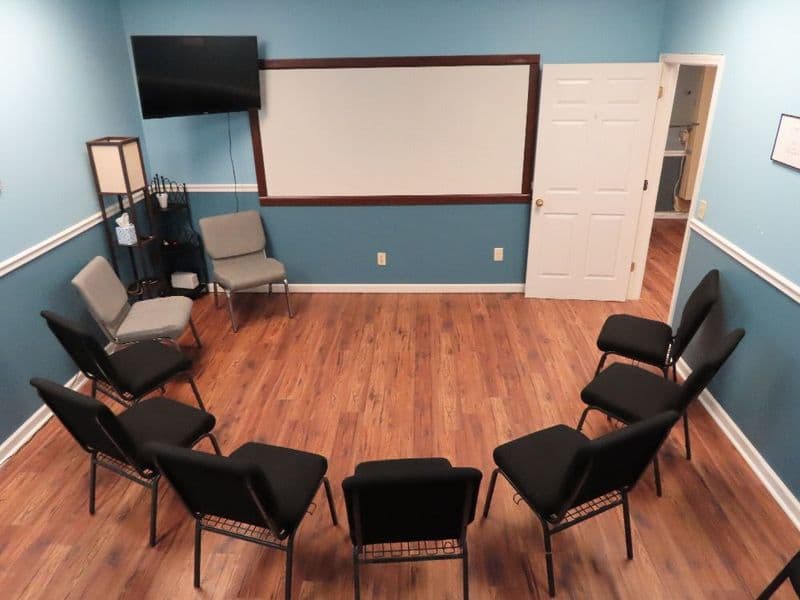
Group therapy is a vital component of addiction recovery treatment, considered as important and effective (sometimes even more so) than individual therapy. Benefits include reducing isolation and loneliness and providing the opportunity to learn from others in recovery. In the addiction setting, group therapy is run by trained professionals who guide participants toward a shared goal of recovery.